
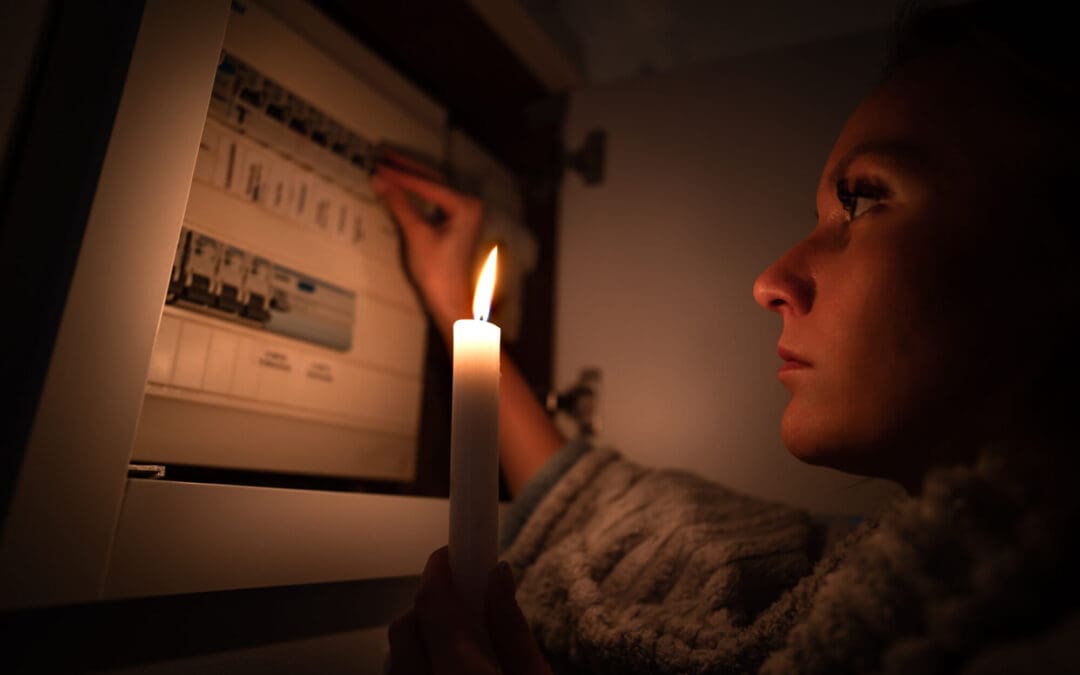
Power outages strike unexpectedly, leaving homeowners without electricity for hours or even days. Being prepared ahead of time will make the difference between a minor inconvenience and a major disruption. From keeping essential supplies on hand to understanding how to maintain home safety, preparation guarantees that your household can weather a power outage with confidence. While modern homes rely heavily on electricity for lighting, heating, refrigeration, and communication, taking a proactive approach allows homeowners to stay safe and comfortable even when the grid goes down. Planning ahead reduces stress and helps maintain daily routines under challenging circumstances.
Must-Have Supplies for Any Power Outage
Stocking the right supplies is the first step in preparing for a power outage. Flashlights, batteries, and portable power banks are vital for lighting and keeping communication devices charged. Having extra blankets and warm clothing is essential in cold weather, while bottled water and non-perishable food ensure that your household will stay nourished even if refrigerators are offline. In addition, a first-aid kit, manual can opener, essential medications, and basic tools will prove invaluable. Preparing these items in an accessible location allows the entire family to respond quickly when a power outage occurs, minimizing confusion and maintaining safety.
Keeping Your Family and Home Safe
A power outage raises several safety concerns. Without electricity, heating systems, security systems, and smoke detectors may be disrupted. Knowing how to safely use alternative heating sources, such as fireplaces or portable heaters, is crucial to avoid fire hazards. Keeping flammable materials away from heat sources further reduces risks. It is also important to avoid using generators indoors. Carbon monoxide poisoning is a serious danger when fuel-burning equipment is used in enclosed spaces. Preparing your home with this knowledge guarantees that a power outage does not compromise safety.
How to Preserve Food and Water When the Power Goes Out
Maintaining safe food and water during an outage requires careful attention. Refrigerators and freezers can keep food cold for several hours if doors remain closed, but prolonged outages may require transferring perishable items to coolers with ice. Planning ahead for such scenarios prevents food spoilage and ensures that your household has access to safe meals. Storing an adequate supply of clean water is also critical. Even a brief power outage can impact water pumps or municipal water supply systems. Having extra water on hand guarantees hydration and supports essential household functions during an extended outage.
Staying Connected During a Power Outage
Staying informed is an important part of power outage preparedness. Battery-powered or hand-crank radios allow homeowners to receive weather updates, emergency alerts, and instructions from local authorities. Keeping mobile phones charged with portable power banks guarantees that family members can communicate if needed. Establishing a household plan for check-ins and emergency contacts is equally important. Knowing where everyone will be and how to reach them provides reassurance and clarity during potentially stressful situations.
Planning for Extended Outages
Some power outages last only a few hours, but severe weather events or grid issues could extend downtime. Preparing your home for longer outages involves planning for heating, lighting, and water needs over multiple days. This may include alternative cooking methods, such as propane stoves or camp stoves, as well as strategies for maintaining sanitation and hygiene without access to running water. Homeowners should also review insurance coverage and emergency plans to ensure that potential damage or costs related to a power outage are manageable. Being proactive in these areas helps reduce anxiety and increases resilience during extended disruptions.
Daily Habits That Support Power Outage Readiness
Simple daily habits can make a power outage less disruptive. Regularly checking batteries in flashlights, keeping portable chargers topped off, and monitoring weather forecasts all contribute to preparedness. Being mindful of household energy consumption and maintaining essential equipment guarantees that you are ready when a power outage strikes. Preparedness is not a one-time effort; it requires ongoing attention and adjustment to changing conditions. The peace of mind that comes from knowing your home and family are ready is one of the most important benefits of proactive planning.
Being prepared for a power outage allows homeowners to respond with confidence and keep their families safe. By taking proactive steps, stocking essential supplies, and maintaining clear plans, a power outage can be managed rather than a crisis.
Frequently Asked Questions (FAQs)
How long can I safely keep food in the refrigerator during a power outage?
A refrigerator can typically keep food cold for up to four hours if the door remains closed. For longer outages, transfer perishable items to coolers with ice to maintain safety.
What supplies are essential for preparing for a power outage?
Flashlights, batteries, blankets, non-perishable food, water, first-aid supplies, and portable chargers are key items to have on hand.
How can I stay informed during an outage?
Battery-powered or hand-crank radios provide weather updates and emergency alerts. Keeping mobile phones charged with power banks is also important.
What should I do if a power outage lasts several days?
Plan for alternative heating and cooking methods, maintain safe food and water supplies, and review emergency plans to handle extended outages safely.
Appalachian Inspection Services provides comprehensive home inspection services to homebuyers and sellers in Asheville, NC, and the surrounding areas. Contact us to schedule an appointment.