
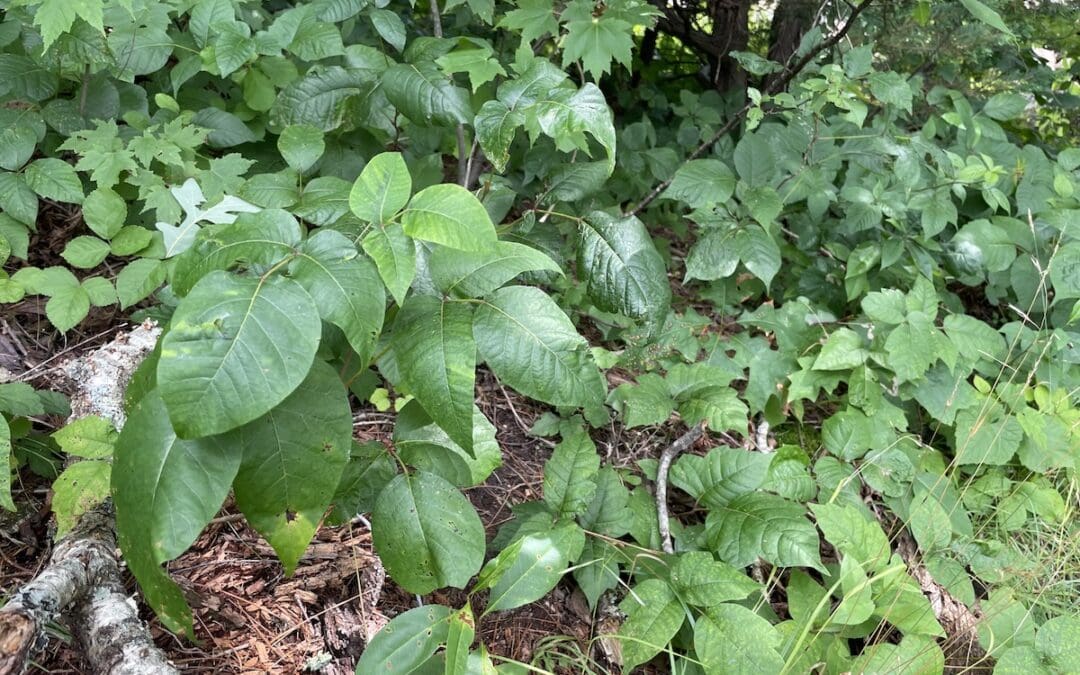
Poison ivy is one of the most common and most underestimated hazards in residential yards and gardens. It grows quickly, spreads aggressively, blends convincingly into surrounding vegetation, and causes an uncomfortable allergic rash on contact. Knowing how to identify it accurately and remove poison ivy safely are two of the most practical skills a homeowner can develop. Get either one wrong, and the consequences range from a miserable couple of weeks to an accidental spread of the plant into areas it wasn’t previously growing.
Identifying Poison Ivy Before You Try to Remove It
Successful and safe removal starts with identification. Poison ivy’s appearance changes considerably with the season and growing conditions, which is why homeowners frequently misidentify it. The defining characteristic is its leaf structure: three leaflets per stem, with one at the tip and two on either side. Leaves are typically shiny when young and range from green to reddish depending on the season, bright red in fall, orange or red in spring, and green through summer. Leaf edges may be smooth, toothed, or slightly lobed, adding to the identification challenge since no two plants look exactly alike. Poison ivy grows as a low ground cover along lawn edges, as a climbing vine on trees and structures, and as a shrub in wooded edges and fence lines. All three forms carry the same urushiol oil in every part of the plant, including stems, roots, and berries. If you’re unsure, photograph it and consult a plant identification app or your local cooperative extension service before touching anything.
Safe Preparation Before You Remove Poison Ivy
The urushiol oil that makes poison ivy dangerous is potent, persistent, and transferable. It remains active on tools, gloves, clothing, and pet fur for months if not properly cleaned. Before attempting to remove poison ivy, assemble proper protective gear. Long sleeves, long pants, waterproof gloves, closed-toe shoes, and eye protection are the minimum. Disposable coveralls are ideal for significant removals. Have a plan for clothing before you start. Bag it immediately after and wash it in hot water separately from other laundry. Wash exposed skin with soap and cold water as soon as possible after contact; cold water is preferable because hot water opens pores and can accelerate absorption of residual urushiol. Wash all tools thoroughly with soap and water afterward.
How to Remove Poison Ivy Effectively and Prevent It From Returning
Small infestations can be managed by hand-pulling, provided proper protective gear is worn and roots are removed as completely as possible. Poison ivy regrows vigorously from root fragments left in the soil, so surface removal without root extraction produces new growth within weeks. Pull slowly and steadily to extract as much root as possible, and bag all plant material immediately in heavy plastic bags. Never burn poison ivy. Burning releases urushiol into the smoke, which could cause severe respiratory reactions and systemic poisoning when inhaled, a significantly more serious exposure than skin contact alone. For larger infestations or established vines, a herbicide containing glyphosate or triclopyr applied directly to leaves and cut stems is more effective than manual removal. Multiple applications are typically required; complete removal of a mature infestation often takes one to two full growing seasons of consistent treatment. Apply on a calm day to prevent drift onto plants you want to keep.
After removing poison ivy, monitor the area consistently through the following season. New seedlings from old root fragments or seeds deposited by birds are common, and catching them while small makes removal significantly faster than waiting for the plant to re-establish.
Frequently Asked Questions (FAQs)
How do I know if a rash is from poison ivy contact?
Poison ivy rash typically develops six hours to two days after contact and presents as intense itching followed by red streaks or patches, swelling, and fluid-filled blisters. The rash doesn’t spread by scratching. Over-the-counter hydrocortisone cream, antihistamines, and calamine lotion address mild cases. Widespread rash, facial swelling, or difficulty breathing warrants immediate medical attention.
Is it safe to remove poison ivy myself or should I hire a professional?
Small, well-defined patches are manageable for a prepared homeowner with proper protective gear. Large infestations, thick climbing vines on trees or structures, or situations where you’re uncertain about identification are cases where hiring a professional landscape service is the smarter investment.
Can poison ivy affect pets and do they spread it to people?
Pets are largely immune to the urushiol reaction themselves, but their fur can carry the oil to humans who handle them after they’ve run through poison ivy. If your pet has been in an area with poison ivy, wash them with pet shampoo while wearing gloves. This is one of the more overlooked sources of exposure.
What time of year is best to remove poison ivy?
Early spring, when plants are actively growing and taking up herbicide readily, and late fall, after the first frost, when nutrients move to the roots carrying the treatment deeper, are the most effective times for herbicide application. Manual removal can be done at any time of year but requires the same protective protocols regardless of season.
How do I dispose of poison ivy after removal?
Bag all removed plant material, including roots and fragments, in heavy-duty plastic garbage bags and seal them tightly. Most municipalities accept bagged poison ivy in regular trash. Do not compost poison ivy. Never burn it, as the smoke carries urushiol and causes serious respiratory reactions.
Appalachian Inspection Services provides comprehensive home inspection services to homebuyers and sellers in Asheville, NC, and the surrounding areas. Contact us to schedule an appointment.