
One of the most important things a homeowner can do is protect their foundation from water. The foundation is what everything else rests on, and conditions that allow water to accumulate at or near it produce gradual, concealed deterioration: cracked walls, bowing surfaces, musty odors, and eventually structural compromise far more expensive to correct than the drainage habits that would have prevented it. Most of what it takes to protect your foundation is maintenance, and starting early costs a fraction of what remediation costs later.
How to Protect Your Foundation Through Grading and Drainage
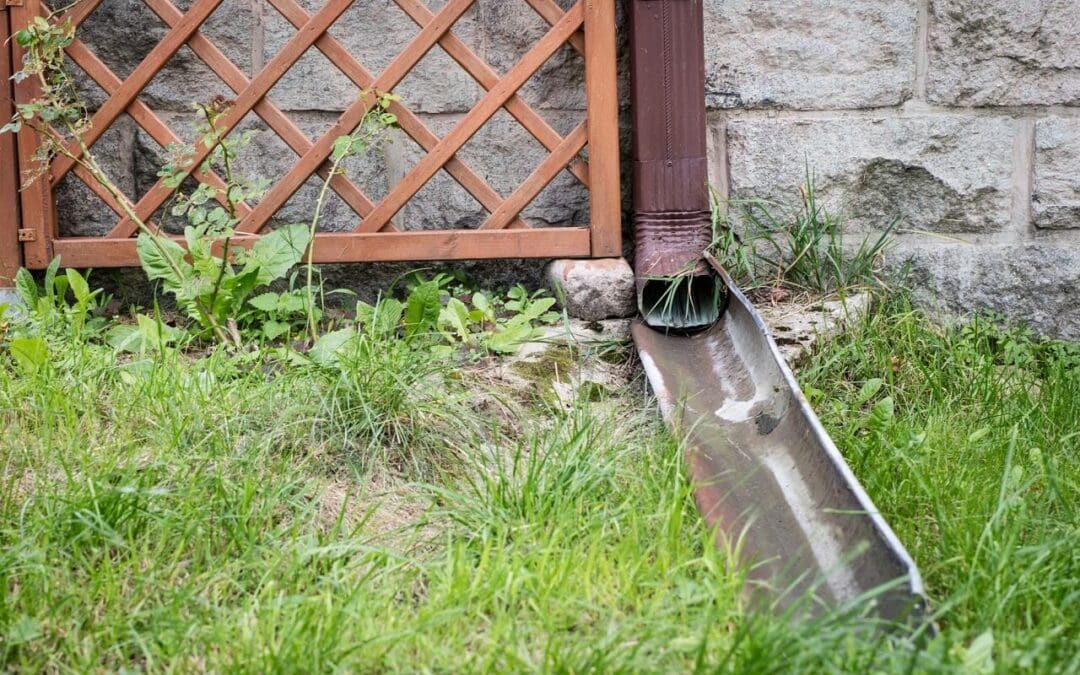
Lot grading, the slope of the ground around the perimeter, is the primary drainage mechanism established at construction. Over time, soil settles, and the positive slope that originally directed water away may flatten or reverse. A grade sloping toward the foundation directs rainfall and snowmelt toward the structure with every precipitation event. The correction is adding fill soil to re-establish a positive slope of at least six inches over the first ten feet from the foundation, one of the most impactful and lowest-cost steps to protect your foundation. Downspout management is the drainage variable most homeowners underestimate. A 1,000 square foot roof produces roughly 600 gallons of runoff per inch of rainfall, deposited directly at the foundation, that volume overwhelms any grading slope immediately. Downspout extensions carrying water at least six feet from the foundation distribute that volume where it absorbs without concentrating against the structure. French drains and surface drains are the next tier when grading and extensions aren’t sufficient. A French drain intercepts subsurface water moving laterally through the soil and redirects it before it reaches the foundation. Surface drains address ponding in low spots that grading alone can’t resolve.
The Landscaping Decisions That Protect Your Foundation
The plants and materials used in the planting beds immediately adjacent to the home have a more significant effect on foundation moisture than most homeowners realize. Deep-rooted trees and large shrubs planted close to the foundation create two risks: root systems that can crack or displace foundation components, and the sustained moisture their watering introduces at the perimeter. Plant trees at a distance at least equal to their mature canopy spread, and keep large shrubs at least three to five feet back. Mulch contacting the foundation face retains moisture against the structure continuously. Keeping mulch to two to three inches and maintaining a gap between the mulch and foundation wall prevents this condition.
The Basement and Crawl Space Measures That Protect From Inside
A sump pump is the active defense removing groundwater that reaches the interior despite exterior drainage measures. Testing it annually by pouring water into the pit to confirm the float activates the pump verifies it will function when needed. A battery backup provides coverage during power outages that often accompany the heaviest storm events. Basement waterproofing membrane addresses moisture that migrates through concrete and masonry even when exterior drainage is adequate. Combined with a dehumidifier maintaining indoor humidity below 50 percent, it creates conditions that protect structural components and air quality from the moisture concrete and block walls are inherently permeable to.
Frequently Asked Questions (FAQs)
How do I know if water is getting too close to my foundation?
The most reliable indicators are efflorescence, white mineral deposits on concrete where water has moved through, staining at the base of foundation walls, a persistent musty odor in the basement or crawl space, cracks wider at the top than the bottom suggesting movement, and evidence of standing water or damp soil against the foundation after rain. A professional inspection that includes the crawl space or basement provides a more comprehensive assessment than a homeowner walkthrough.
Can I protect my foundation from water damage myself or does it require a contractor?
Many of the most impactful steps are within DIY capability: adding soil to re-establish positive grading, installing downspout extensions, keeping mulch away from the foundation, and testing the sump pump. French drain installation is within experienced DIY capability but requires correct pipe slope and proper discharge planning. Interior waterproofing systems are almost always contractor work.
Does homeowner’s insurance cover water damage?
Sudden and accidental events are generally covered. Foundation damage from gradual water infiltration, poor drainage, or external surface flooding is typically not covered without specific endorsements or a separate flood insurance policy. Knowing what is and isn’t covered before a water event shapes how aggressively to invest in prevention.
How do tree roots affect the foundation and what can I do about it?
Tree roots follow moisture, and soil adjacent to a foundation creates exactly the conditions that draw root growth. Fine roots could infiltrate existing cracks and widen them through seasonal growth; larger roots can exert enough pressure to displace foundation walls over time. The most effective prevention is planting large trees at an appropriate distance from the structure. For existing trees close to the foundation, a root barrier installed in the soil redirects root growth without removing the tree.
Appalachian Inspection Services provides comprehensive home inspection services to homebuyers and sellers in Asheville, NC, and the surrounding areas. Contact us to schedule an appointment.