
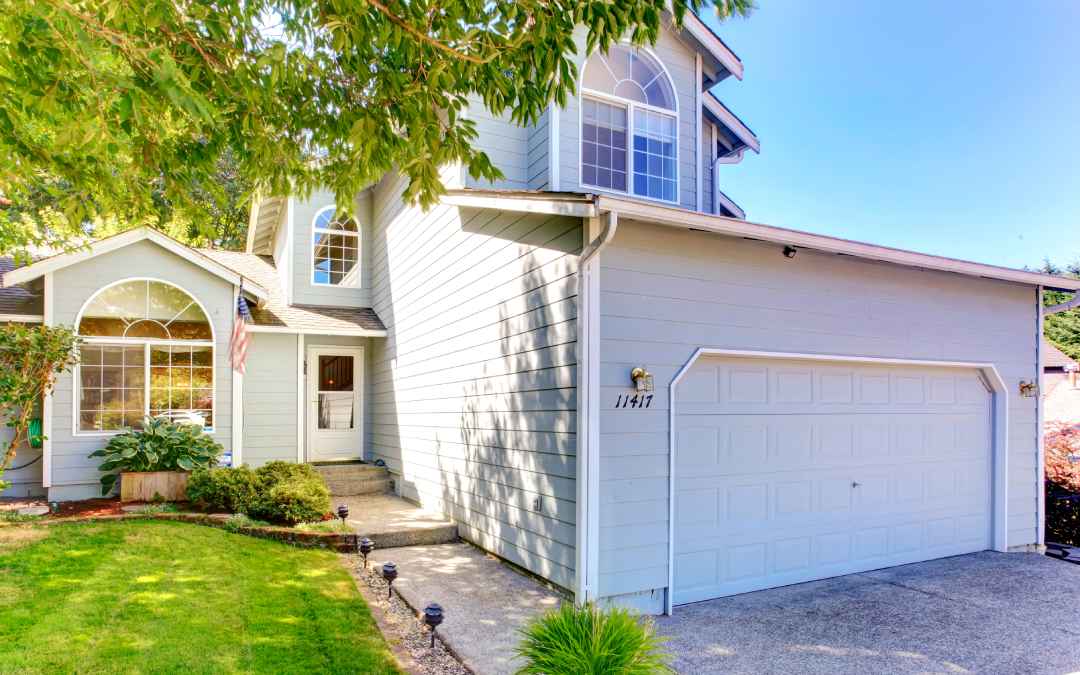
To flip a house successfully, investors need a mix of strategy, discipline, and market awareness. House flipping has become one of the most popular real estate investment strategies because it offers the potential for relatively fast returns compared to long-term rentals. Instead of waiting years for appreciation, flipping focuses on buying undervalued properties, improving them, and selling at a higher price.
However, flipping isn’t just about buying low and selling high. It requires careful planning, accurate budgeting, and a clear understanding of the local market. Investors who approach the process with a structured mindset are far more likely to achieve consistent profits and avoid costly mistakes.
How to Flip a House by Finding the Right Property
The foundation of every successful flip begins with buying the right property. Investors should focus on homes priced below market value that have strong resale potential. Distressed properties, foreclosures, and outdated homes often present the best opportunities.
Location plays a major role in determining profitability. A property in a desirable neighborhood with strong demand will sell faster and at a better price. Even a beautifully renovated home may struggle if it’s located in a declining area.
To flip a house wisely, investors should also evaluate repair needs carefully. Cosmetic updates like paint and flooring are usually more manageable than structural repairs. Understanding the scope of work early prevents budget overruns later.
Financial Planning to Flip a House Successfully
Solid financial planning is essential before taking on any flip. Investors need to account for more than just the purchase price and renovation costs. Holding costs, closing fees, property taxes, insurance, and utilities all impact overall profitability.
Creating a detailed budget helps prevent surprises during the project. Many experienced investors follow the 70% rule, which suggests purchasing a property for no more than 70% of its after-repair value minus renovation costs. This guideline helps maintain a healthy profit margin.
Financing also plays a critical role when planning to flip a house. Some investors use cash for speed and flexibility, while others rely on hard money loans or private lenders. Each option has trade-offs, so choosing the right funding strategy is key.
Renovation Strategies That Help Flip Faster
Renovations can make or break a house flip. The goal isn’t to create a luxury showpiece but to appeal to the broadest range of buyers. Neutral colors, modern finishes, and functional layouts tend to deliver the best return on investment.
Kitchens and bathrooms typically offer the highest impact. Updated cabinetry, new countertops, and modern fixtures can dramatically improve a home’s appeal. Simple upgrades like lighting, flooring, and fresh paint also add significant value without inflating the budget.
To flip a house efficiently, investors should avoid over-improving the property. Adding high-end features in a mid-range neighborhood may not yield a proportional return. Matching renovations to the expectations of the local market ensures smarter spending.
Timing the Market When You Flip a House
Timing can influence both sale price and speed. Real estate markets fluctuate based on seasonality, interest rates, and local demand. Listing a finished property during peak buying seasons, often spring and early summer, can attract more buyers and stronger offers.
Monitoring market trends helps investors decide when to buy and when to sell. If inventory is low and demand is high, flipping opportunities tend to be more favorable. Conversely, oversaturated markets may require more patience and strategic pricing.
When investors flip with awareness of market timing, they gain a competitive edge that improves overall returns.
Avoid Common Mistakes
Even experienced investors encounter challenges, but avoiding common mistakes can protect profits. One of the biggest errors is underestimating renovation costs. Unexpected repairs can quickly eat into margins if contingency funds aren’t built into the budget.
Another mistake is overestimating resale value. Emotional attachment to a project can cloud judgment, leading to unrealistic pricing. Accurate comparables and professional appraisals provide a clearer picture of market value.
Rushing the process can also be costly. Skipping inspections or hiring unqualified contractors may result in delays and additional repairs. To flip a house successfully, patience and due diligence are essential.
Building a System to Flip a House Consistently
Investors who succeed long term treat house flipping like a business rather than a one-time project. Building a reliable network of contractors, real estate agents, inspectors, and lenders creates a smoother workflow for future deals.
Documenting each project helps refine strategies over time. Tracking budgets, timelines, and profit margins allows investors to identify what works and where improvements are needed.
Those who develop repeatable systems find it easier to flip a house consistently and scale their investment portfolios. Experience compounds, leading to smarter decisions and stronger financial outcomes.
FAQs About How to Flip a House
Is it still profitable to flip a house today?
Yes, flipping can still be profitable with the right strategy. Success depends on buying below market value, controlling renovation costs, and understanding local demand.
How much money is needed to flip a house?
The required capital varies widely based on location and property type. Some investors start with tens of thousands using financing, while others invest significantly more with cash deals.
How long does it take to flip a house?
Most flips take between three to six months, though timelines can vary depending on renovation complexity and market conditions.
Is flipping houses risky?
Like any investment, flipping carries risks. Unexpected repairs, market shifts, and financing challenges can impact profits. Proper planning and research help reduce these risks.
Can beginners flip a house successfully?
Yes, beginners can succeed with careful planning and guidance. Partnering with experienced professionals and starting with smaller projects can make the process more manageable.
Learning how to flip a house effectively requires preparation, patience, and a willingness to learn from each project. With the right approach, investors can turn undervalued properties into profitable opportunities and build a strong foundation for long-term real estate success.
Appalachian Inspection Services provides comprehensive home inspection services to homebuyers and sellers in Asheville, NC, and the surrounding areas. Contact us to schedule an appointment.