
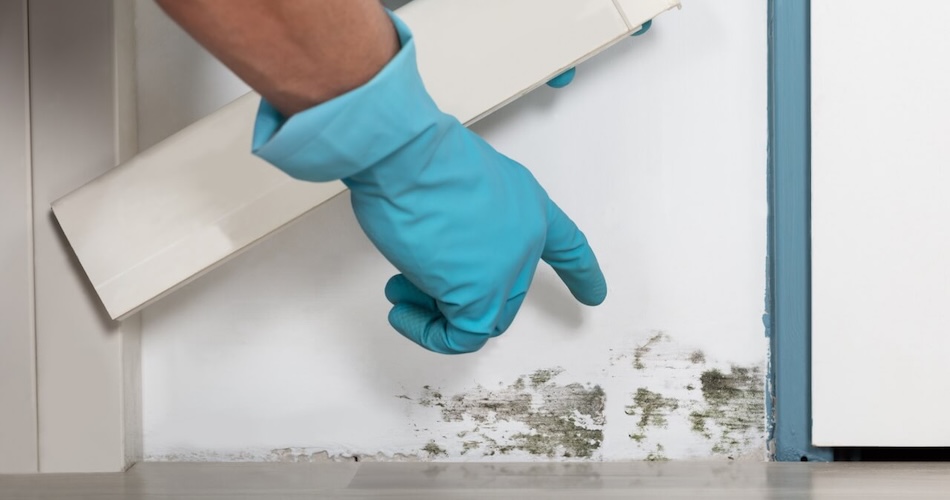
The homeowners who successfully get rid of mold for good are those who treat both the symptom and the cause, who understand where the mold is coming from, why it established where it did, and what needs to change about the environment to prevent it from returning. Getting rid of mold without addressing moisture is the most common and most expensive mold remediation mistake a homeowner can make.
Identify the Source of Mold First
Before any cleaning or remediation begins, the moisture source that produced the mold needs to be identified and resolved, because mold removed from a surface that still has active moisture will return within days to weeks. The moisture sources most commonly associated with indoor mold are plumbing leaks behind walls, elevated indoor humidity above 60 percent, inadequate bathroom and kitchen ventilation, roof or window leaks, and basement moisture from groundwater intrusion. Visible mold is frequently the surface expression of a moisture condition developing in a concealed location for weeks before any visible indicator appeared. A professional moisture assessment using moisture meters and thermal imaging is the most reliable way to identify the full extent of the moisture condition before remediation begins.
How to Get Rid of Mold on Non-Porous Surfaces
On non-porous surfaces, like tile, glass, metal, and sealed concrete, mold can be cleaned effectively because it cannot penetrate the material and establish a colony beneath the surface. A solution of one cup of bleach per gallon of water applied to the affected surface, left to dwell for ten to fifteen minutes, then scrubbed and rinsed is effective for surface mold on non-porous materials. Adequate ventilation and basic protective equipment protect the person cleaning from the spore exposure that disturbing mold produces. The critical caveat is the recurrence test: if mold returns to the same location within a few weeks of cleaning, the moisture source hasn’t been resolved and the cleaning is addressing only the symptom.
When to Call a Professional to Get Rid of Mold
The threshold for professional remediation rather than DIY cleaning is a function of the size of the affected area, the material it’s on, and whether the mold is in a concealed location. The EPA guideline most commonly cited is ten square feet; mold covering an area larger than ten square feet warrants professional remediation because larger colonies require containment procedures to prevent spore distribution during cleaning. Mold on porous materials cannot be cleaned effectively because the mold penetrates the material below the surface. To get rid of mold on porous materials, the affected material must be removed and replaced rather than cleaned, the most important distinction between DIY cleaning and professional remediation that most homeowners underestimate.
Frequently Asked Questions (FAQs)
Can I get rid of mold myself or do I always need a professional?
Small areas of surface mold on non-porous materials are within DIY capability when the moisture source has been identified and resolved. Professional involvement is warranted for areas larger than ten square feet, mold on porous materials like drywall or insulation, mold in HVAC systems, and situations where the moisture source is concealed. A professional mold assessment is the appropriate first step when the scope is unclear.
How do I know if the mold I see is dangerous?
Species identification requires laboratory testing; mold cannot be reliably identified by color or appearance alone. Black mold is a color description that applies to several species with varying toxicity levels. The approach that most reliably protects occupant health is to treat any visible mold as warranting remediation regardless of species, because all mold produces spores and volatile organic compounds that affect indoor air quality and can trigger respiratory symptoms in sensitive individuals.
How long does it take mold to return after cleaning if the moisture source isn’t resolved?
Mold can re-establish on a cleaned surface within 24 to 48 hours under ideal conditions. In practice, visible mold typically reappears within one to three weeks on surfaces where the moisture condition wasn’t resolved before cleaning. If mold returns within that timeframe, the effort needs to shift from surface cleaning to moisture source investigation before any additional cleaning is attempted.
Does bleach effectively get rid of mold on all surfaces?
Bleach is effective on non-porous surfaces where it can reach the mold at the surface level. On porous materials, bleach kills surface mold but cannot penetrate deeply enough to address the colony established below.
What should I do after I get rid of mold to prevent it from coming back?
Resolving the moisture source is the most important post-remediation step; without it, mold returns regardless of how thoroughly cleaning was conducted. Maintaining indoor humidity below 50 percent through adequate ventilation and dehumidification in moisture-prone areas prevents the ambient conditions that allow mold to re-establish. A post-remediation air quality test confirms that spore levels have returned to normal before the affected area is reoccupied or rebuilt.
Appalachian Inspection Services provides comprehensive home inspection services to homebuyers and sellers in Asheville, NC, and the surrounding areas. Contact us to schedule an appointment.