
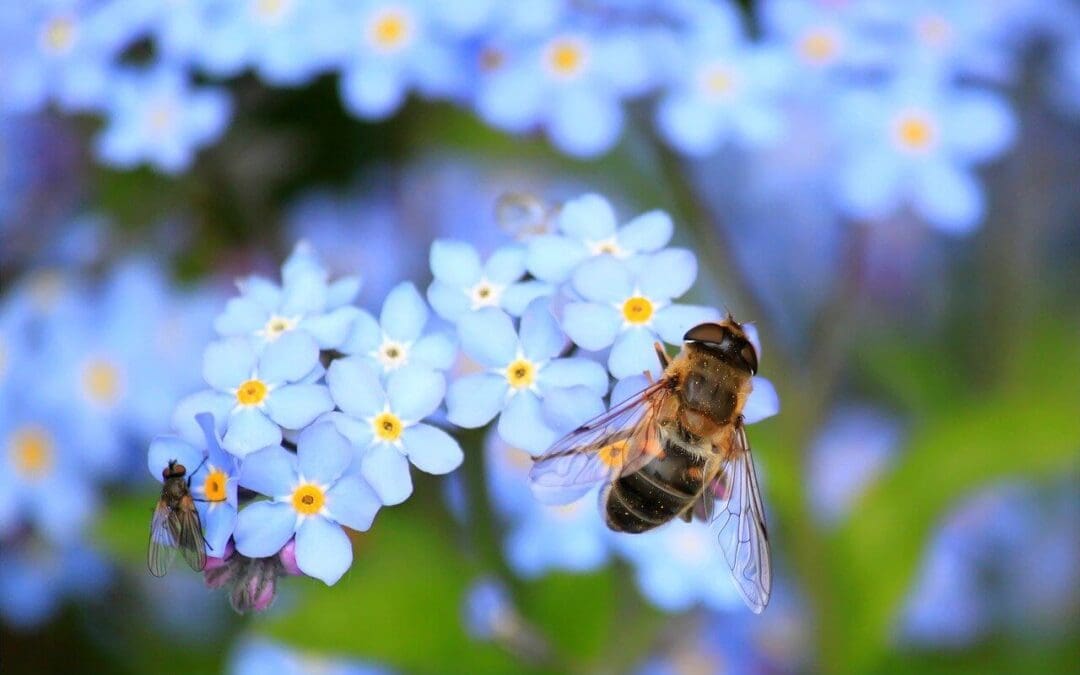
A pollinator garden is one of the simplest and most rewarding ways to support local wildlife while transforming an ordinary yard into a vibrant ecosystem. Pollinators such as bees, butterflies, hummingbirds, and other beneficial insects play a critical role in plant reproduction. In fact, many fruits, vegetables, and flowers depend on them to produce seeds and food. Unfortunately, pollinator populations have been declining due to habitat loss, pesticide use, and climate change. A thoughtfully designed pollinator garden helps reverse that trend by providing food, shelter, and safe nesting spaces. At the same time, it adds color, movement, and life to any landscape.
Choose the Right Location for Your Pollinator Garden
The first step in creating a successful pollinator garden is selecting the right spot. Most pollinator-friendly plants thrive in sunny locations, so an area that receives at least six hours of direct sunlight per day is ideal. Sunlight helps flowering plants produce the nectar and pollen that pollinators rely on. Well-drained soil is another important factor. If soil quality is poor, adding compost will improve both structure and nutrients. Raised beds or containers work well if space or soil conditions are limited. Pollinators prefer calmer spaces where they can easily land on flowers. A garden placed near fences, hedges, or shrubs often provides the shelter they need.
Select Plants That Attract Pollinators
The plants chosen will ultimately determine how successful the pollinator garden becomes. Native plants are often the best choice because they evolved alongside local pollinators and provide the exact nectar and pollen those species need. A diverse selection of plants ensures blooms from early spring through late fall. This continuous supply of flowers supports pollinators throughout their life cycles. Different flower shapes attract different pollinators. Tubular flowers tend to draw hummingbirds, while flat or clustered flowers are ideal landing pads for butterflies. Bees often prefer brightly colored flowers in shades of purple, blue, and yellow. Planting in clusters rather than scattering individual flowers makes the garden easier for pollinators to locate. When many blooms grow together, they create a highly visible food source that insects and birds can quickly identify.
Provide Water and Shelter in Your Pollinator Garden
Food alone is not enough to sustain pollinators. A thriving pollinator garden also includes access to water and safe resting spaces. A shallow dish filled with water and small stones serves as a simple watering station where insects can land without drowning. Shelter is equally important. Pollinators often rely on natural hiding spots to escape predators and harsh weather. Leaving some stems, grasses, and small brush piles in quiet corners of the yard will provide essential nesting sites. Many native bees, for example, nest in hollow plant stems or underground burrows.
Avoid Chemicals That Harm Pollinators
One of the most important steps in maintaining a pollinator garden is limiting or eliminating pesticides and herbicides. While these chemicals are designed to control pests, they may also harm beneficial insects and disrupt the delicate balance of the garden ecosystem. Natural pest management methods are far safer. Encouraging beneficial insects, using physical barriers, and maintaining healthy soil often keep pest problems manageable. A diverse garden tends to regulate itself naturally, with predators helping control harmful insects. Healthy soil also supports stronger plants that better resist disease and pests without chemical intervention.
Keep Your Pollinator Garden Blooming All Season
A successful pollinator garden changes throughout the year. Early blooming flowers provide nectar when pollinators first emerge in spring, while late-season blooms help them store energy before winter. Deadheading some plants could encourage additional blooms, but it is also helpful to leave certain flowers to go to seed. Seed heads provide food for birds and contribute to the next generation of plants. Over time, the garden will become more balanced and self-sustaining. Pollinators will begin returning year after year as they recognize the yard as a reliable habitat.
Frequently Asked Questions (FAQs)
How big does a pollinator garden need to be?
A pollinator garden can be any size. Even a few containers on a balcony or patio will support pollinators if they contain nectar-rich flowers. Larger gardens simply provide more resources and attract a greater variety of species.
How long does it take for a pollinator garden to attract wildlife?
Many gardeners begin seeing bees and butterflies within weeks of planting flowering plants. As the pollinator garden matures and plants establish themselves, the diversity of visitors typically increases each season.
Do pollinator gardens require a lot of maintenance?
Most pollinator gardens are relatively low-maintenance once established. Native plants usually require less watering and fertilizing because they are adapted to local conditions.
Can a pollinator garden look neat and landscaped?
Absolutely. A pollinator garden can be both beautiful and intentional in design. Using borders, pathways, and grouped plantings creates a tidy appearance while still supporting wildlife.
What pollinators might visit the garden?
A healthy pollinator garden may attract bees, butterflies, moths, hummingbirds, beetles, and even beneficial flies. Each species contributes to pollination and helps support a thriving ecosystem.
Appalachian Inspection Services provides comprehensive home inspection services to homebuyers and sellers in Asheville, NC, and the surrounding areas. Contact us to schedule an appointment.